
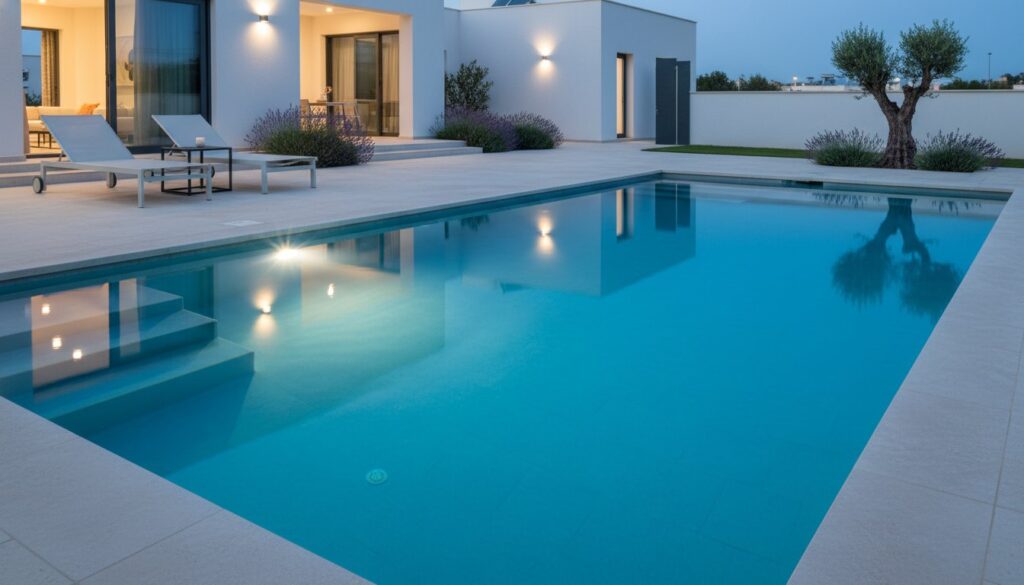
What if the flickering light in your pool isn’t just a minor nuisance, but a critical electrical hazard that could compromise your family’s safety? For many homeowners, the thought of underwater pool light repair in Paphos brings up fears of expensive water loss or the risk of electrical shock. It’s understandable to feel overwhelmed by technical complexities, especially with the strict requirements introduced by the Swimming Pools Law of 2025. You want a solution that’s both safe and cost-effective, but finding reliable expertise can feel like a challenge in the local market.
We agree that your pool should be a place of relaxation, not a source of technical stress. This guide will teach you how to identify common lighting failures and explain how modern repair techniques allow for professional servicing without draining your pool. You’ll learn how to transition to energy-efficient LED solutions that align with the latest 2026 safety benchmarks for Type 1, 2, and 3 pools. We’re providing a clear roadmap for achieving a perfectly illuminated, compliant, and secure swimming environment so you can enjoy your evening swims with total peace of mind.
Key Takeaways
- Understand how the unique Paphos climate, including high summer temperatures and hard water, impacts the longevity of your pool light seals and gaskets.
- Learn the technical distinctions between niche and surface-mounted fixtures and the critical role 12V transformers play in maintaining electrical safety.
- Discover why transitioning to LED lighting is the most cost-effective and sustainable choice for 2026 as traditional halogen bulbs become increasingly scarce.
- Identify the specific warning signs that indicate you should schedule professional underwater pool light repair in Paphos rather than attempting a DIY fix.
- Ensure your swimming environment meets the latest safety regulations by utilizing services that adhere to international PHTA/NSPF certified standards.
Common Causes of Underwater Pool Light Failure in the Paphos Climate
Paphos offers an idyllic setting for pool ownership, yet the local environment is notoriously aggressive toward underwater electrical components. When homeowners seek underwater pool light repair paphos, they’re often dealing with the cumulative effects of the Cyprus sun rather than a simple bulb expiration. The combination of intense Mediterranean UV radiation and high mineral content in the water creates a high-stress environment for light fixtures. Understanding these factors is the first step in ensuring a safe and functional pool.
The Paphos power grid also presents unique challenges for sensitive pool electronics. Localized electrical surges can stress the 12V transformers that power your pool’s lighting system. While these transformers are designed to step down voltage for safety, consistent fluctuations can lead to internal component failure. This often manifests as flickering lights or a total loss of power that a basic bulb change won’t resolve. Professionals often need to trace these faults back to the pump room to ensure the entire circuit remains stable.
The Role of UV and Heat in Seal Degradation
Rubber gaskets and O-rings are the primary line of defense against water ingress. In the Paphos summer, water temperatures can consistently exceed 30°C, causing materials to expand and contract. Over time, these seals become “perished,” losing their elasticity and creating microscopic gaps. Seal degradation caused by Paphos thermal expansion occurs when the constant cycling of temperatures forces the rubber gaskets to lose their flexibility and structural integrity. Once the seal is compromised, water enters the housing, leading to short circuits and permanent damage to the fixture.
Chemical Corrosion and Electrical Continuity
Hard water is a hallmark of the Paphos region. Calcium deposits frequently accumulate around light niches, acting as an abrasive that can degrade seals or seize mounting screws. When water chemistry is neglected, a low pH environment becomes acidic, rapidly corroding the metal components of the fixture. This is why consistent maintenance is essential for more than just water clarity.
You might notice a green tint around the light or within the conduit during an inspection. This is often copper corrosion, a sign that the internal wiring is being eaten away by unbalanced water. Maintaining electrical continuity requires a dry, stable environment. Much like The Technical Anatomy of Underwater Lighting used by professionals, pool lights rely on hermetic seals to prevent catastrophic failure. Consistent water chemistry management is a vital part of protecting your lighting investment from expensive, preventable damage.
The Technical Anatomy of Underwater Pool Lighting and Safety
Safe pool lighting isn’t a matter of chance; it’s the result of precise electrical engineering. Most homeowners in Cyprus assume a pool light functions like a standard household lamp, but the reality is far more complex. To perform a successful underwater pool light repair paphos, a technician must understand the delicate balance between high-performance illumination and the life-saving barriers that prevent electrical current from entering the water. In the Paphos region, where the mineral-rich water increases conductivity, these technical details become even more critical for the safety of your family and guests.
Modern installations typically feature one of two designs: the niche-mounted light or the surface-mounted fixture. Niche-mounted lights are recessed into a dedicated housing in the pool wall, while surface-mounted units sit directly on the tile. Regardless of the style, every component must carry an IP68 rating. This international standard ensures the equipment is hermetically sealed against long-term immersion under pressure. Another “invisible” safety hero is the bonding wire. This copper conductor connects all metal components of the pool’s structure to a common ground, neutralizing stray currents that could otherwise cause a tingling sensation or a dangerous shock.
How Underwater Lights Stay Waterproof
Most Cyprus pools utilize a “wet niche” system. In this design, the niche itself is designed to fill with water, which helps cool the light fixture during operation. The actual light housing remains dry because of a high-grade silicone or rubber gasket. The most common point of failure isn’t the light itself but the cord seal. This specialized plug prevents pool water from traveling up the electrical conduit and leaking behind the pool wall. If you notice the water level dropping specifically to the height of the light, or see air bubbles trapped behind the lens, your waterproof seal is likely compromised. If your current system feels outdated or unreliable, considering professional pool lighting upgrades can transform your nighttime experience while ensuring full compliance with the 2025 legislation.
Voltage and Transformers: Your Safety Barrier
The primary reason you can swim safely next to a high-powered light is the transformer. These devices step down the standard 230V Cyprus house current to a much safer 12V or 24V. This low voltage is generally insufficient to cause harm in the event of a minor leak. However, transformers can fail due to age or the electrical surges common in the Paphos grid. You might notice the lights dimming, a persistent humming sound from the pump room, or a circuit breaker that refuses to reset. Following CPSC electrical safety warnings, 2026 safety standards mandate specific double-insulated isolation transformers that provide a physical barrier between the primary and secondary coils to prevent high-voltage transfer. These standards are now a legal requirement for Type 1 and Type 2 communal pools under the Swimming Pools Law of 2025, ensuring that a simple equipment failure doesn’t turn into a life-threatening hazard.
Repair vs. LED Upgrades: Making the Best Investment
When a light fails, your first instinct might be to search for a direct replacement bulb. However, the landscape of underwater pool light repair paphos has shifted significantly in 2026. Traditional halogen bulbs are becoming increasingly scarce as manufacturers pivot toward sustainable technologies. This scarcity isn’t just an inventory issue; it’s a signal that maintaining older systems is becoming a liability. While a halogen bulb offers roughly 1,000 hours of life, modern LED alternatives provide up to 50,000 hours of consistent illumination. Choosing an upgrade during a repair isn’t just about modernizing; it’s about eliminating the cycle of frequent, costly interventions.
Safety remains the cornerstone of any lighting decision. All modern installations and upgrades must strictly follow the International Residential Code electrical safety standards. These codes ensure that your pool’s electrical infrastructure, from bonding to GFCI protection, is robust enough to handle the demands of underwater operation. For villa owners in Paphos, transitioning to LED isn’t just a technical fix. It’s a lifestyle enhancement that offers vibrant color-changing options, allowing you to transform your outdoor space at the touch of a button.
Why We Recommend LED Conversions
We consistently advocate for LED technology because of its superior thermal management. Halogen bulbs generate immense heat, which can “bake” the surrounding rubber gaskets and plastic niches over time. This heat-induced degradation is a primary cause of the leaks we see across Cyprus. LEDs operate at a fraction of that temperature, preserving the integrity of your seals and extending the life of the entire fixture. Furthermore, these units are designed for the modern home, offering full compatibility with smartphone apps and pool automation systems. If you’re reviewing your entire setup, you can explore more about pool equipment Paphos to see how lighting fits into a reliable, high-performance pool environment.
The Cost-Benefit of Modern Lighting
For communal pools and high-end rental properties in Peyia, the return on investment for LED upgrades is undeniable. Electricity costs in Cyprus remain a significant overhead, and LEDs consume up to 80% less energy than their halogen predecessors. This reduction in energy waste doesn’t just lower your monthly bills; it aligns your property with modern environmental standards. In a rental context, the 50,000-hour lifespan means you won’t have to deal with mid-season light failures that result in guest complaints. By investing in modern lighting now, you’re securing a maintenance-free future and protecting the long-term value of your Paphos property.
Troubleshooting Pool Light Issues: When to Call a Professional
Identifying a failure in your lighting system requires a methodical approach to ensure you don’t overlook a simple fix or, conversely, attempt a dangerous repair. When homeowners encounter issues, their first thought is often a full underwater pool light repair paphos, but the solution might be more straightforward. However, the line between a minor adjustment and a significant safety risk is thin. Understanding where your DIY capabilities end is essential for protecting both your property and your personal safety. A systematic diagnosis helps separate minor power issues from critical hardware failures.
Visual cues are often your best diagnostic tool. If you see water sloshing behind the glass lens, the seal is definitively compromised. You shouldn’t attempt to open the fixture yourself in this state. Water ingress creates a direct path for current, and opening a submerged housing without professional testing equipment is a major safety hazard. Flickering lights often signal a failing LED driver or a loose connection in the conduit, both of which require technical expertise to resolve without causing further damage to the internal wiring.
Initial Diagnostic Steps
Start your investigation at the main electrical panel. An RCD (Residual Current Device) or GFCI breaker that has tripped is a clear indicator of a ground fault, meaning water has likely met electricity somewhere in the circuit. If the breaker remains in the “on” position, test your wall switch and check the batteries in your remote control system. Finally, visit the pump room and inspect the transformer. A persistent humming sound or the smell of burnt plastic suggests the unit has failed due to an electrical surge, which is a common occurrence in the Paphos grid. If these basic checks don’t restore power, the issue is likely internal to the light fixture itself.
The Professional Repair Process
Professional technicians utilize specialized techniques to perform a underwater pool light repair paphos without the need for expensive water loss. By utilizing the extra length of waterproof cord coiled behind the niche, the light fixture can be brought to the poolside for servicing while the pool remains full. Once the repair is complete, we perform a pressure test on the housing to ensure a 100% waterproof seal before re-installation. This precision ensures that the repair is a long-term solution rather than a temporary patch. For those looking to stay ahead of equipment issues, following a consistent schedule for pool maintenance Paphos will help catch seal wear before it leads to a total system failure.
If you’ve noticed water in your light lens or a breaker that won’t reset, it’s time to consult the experts. Contact us today for professional pool lighting upgrades and repairs that prioritize your safety and peace of mind.
Professional Underwater Light Services by The Pool People
Choosing a partner for underwater pool light repair paphos requires more than finding a technician with a toolkit. It demands a team that understands the intersection of electrical engineering and the rigorous safety standards required by Cyprus law. We provide a level of technical precision that goes beyond standard maintenance. Our technicians use specialized diagnostic equipment to perform underwater electrical testing, ensuring every circuit is grounded and every seal is vacuum-tight. We don’t just swap components; we restore the safety and integrity of your pool’s entire lighting infrastructure.
Whether you manage a large communal facility in a Type 2 residential complex or own a private Type 3 villa in Peyia, our approach remains the same. We prioritize long-term reliability over quick fixes. Every repair and LED upgrade we perform comes with a comprehensive warranty, giving you the confidence that your investment is protected. By focusing on international benchmarks, we ensure your pool remains a safe, beautifully illuminated sanctuary for nighttime use.
Why Our CPO Certification Matters
The Swimming Pools Law of 2025 has fundamentally changed how pools in Paphos must be managed. Professional certification is no longer just a badge of quality; it’s a critical component of legal compliance. Our team undergoes rigorous CPO training Cyprus, which is the gold standard in the industry. This training ensures that our technicians are experts in electrical safety, chemical balance, and mechanical systems. When a certified professional handles your lighting, they’re protecting your property from the significant fines associated with non-compliance and, more importantly, protecting your guests from preventable hazards.
Schedule Your Light Inspection in Paphos Today
Our local presence in Peyia allows us to serve the entire Paphos region with efficiency and care. We understand the specific challenges property owners face, from the aggressive local climate to the evolving pool safety regulations Cyprus has implemented for the 2026 season. Don’t wait for a minor flicker to become a major safety concern or a reason for a municipal inspector to issue a fine. We’re here to provide the expert guidance and technical skill you need to keep your pool compliant and safe. Contact The Pool People for expert light repair and discover why we are the trusted educational authority and service leader in the Paphos region.
Secure Your Pool’s Future with Expert Lighting Care
Maintaining a safe and beautifully lit swimming environment in Cyprus requires a proactive approach to technical care. You now understand how the local climate accelerates wear on seals and why the 2026 safety standards make professional oversight a legal necessity. Transitioning to energy-efficient LED technology isn’t just a luxury; it’s a strategic investment that preserves your pool’s infrastructure and reduces long-term maintenance costs. When you prioritize specialized underwater pool light repair paphos, you’re choosing to protect both your property’s value and the safety of everyone who enjoys it.
The Pool People have been established in Paphos since 2005, serving as the region’s definitive experts in leak detection and electrical safety. Our PHTA/NSPF CPO certified technicians bring a level of technical depth that ensures your lighting system meets the highest international benchmarks. We’re committed to providing the psychological comfort that comes with a job done right. Don’t leave your pool’s safety to chance. Book a Professional Pool Light Inspection in Paphos today to ensure your facility remains a brilliant and secure retreat for years to come.
Frequently Asked Questions
Is it safe to swim if my pool light is flickering or has water in it?
No, you should not swim if you notice flickering or water inside the lens. These signs indicate a breach in the fixture’s hermetic seal or a fault in the electrical circuit. While modern transformers reduce voltage for safety, any water ingress can bypass these barriers and create a risk of shock. Turn off the power at the main breaker immediately and wait for a professional inspection.
Do I need to drain my pool to have the underwater light repaired in Paphos?
Draining the pool is almost never required for a standard repair. Most underwater fixtures are installed with an extra length of waterproof cable coiled inside the niche. This design allows a technician to remove the unit and bring it to the poolside for servicing while the water level remains constant. This approach prevents the high cost of refilling and the stress of re-balancing your pool chemicals.
How much does it cost to upgrade my old halogen lights to LED?
The investment for an LED upgrade depends on your existing infrastructure and the number of fixtures required. While we don’t provide fixed pricing without a site visit, LEDs are widely recognized as the most cost-effective choice for 2026. They consume significantly less electricity than halogen bulbs and eliminate the need for frequent replacements. Contact a certified professional for a detailed quote based on your specific villa or communal complex.
Why does my underwater pool light keep blowing every few months?
Frequent bulb failure is often caused by microscopic leaks or electrical surges in the local grid. In the Paphos climate, the heat from halogen bulbs can also “bake” the rubber gaskets, leading to premature seal failure. If you find yourself repeatedly needing underwater pool light repair paphos, it is likely that the housing is no longer airtight or your transformer is providing inconsistent voltage to the fixture.
Can I replace the underwater pool light bulb myself?
We strongly advise against DIY bulb replacements due to the technical precision required for underwater sealing. If the gasket isn’t seated perfectly or the mounting screws are over-tightened, the unit will leak within hours. Professional technicians use pressure-testing methods to ensure a 100% waterproof seal. Entrusting this task to a certified expert ensures your pool remains compliant with the latest safety regulations and prevents expensive damage to the niche.
How long do LED pool lights usually last in the Cyprus climate?
High-quality LED pool lights are designed to last up to 50,000 hours, which is fifty times longer than traditional halogen options. Even with the intense Cyprus summer heat, LEDs are more resilient because they generate very little internal warmth. This lower operating temperature protects the surrounding seals from becoming brittle. When properly installed, an LED system can provide reliable illumination for over a decade with minimal maintenance.
What should I do if I see a loose wire in my pool light niche?
If you spot a loose wire, you must exit the pool and disconnect the power at the RCD breaker immediately. This wire could be the critical bonding conductor that grounds the pool’s metal components. Without a secure connection, the safety system cannot neutralize stray electrical currents. This is a high-priority repair that requires specialized testing equipment to ensure the entire bonding grid is functional before anyone re-enters the water.
Are there specific Paphos regulations for communal pool lighting?
Yes, the Swimming Pools Law of 2025 introduces strict requirements for Type 1 and Type 2 communal pools. These regulations mandate that all underwater lighting must have valid certificates of electrical compliance and utilize specific isolation transformers. Professional underwater pool light repair paphos is essential for communal managers to avoid the heavy fines associated with the new legislation. Ensuring your lighting meets these 2026 benchmarks is a key part of your legal duty of care.