
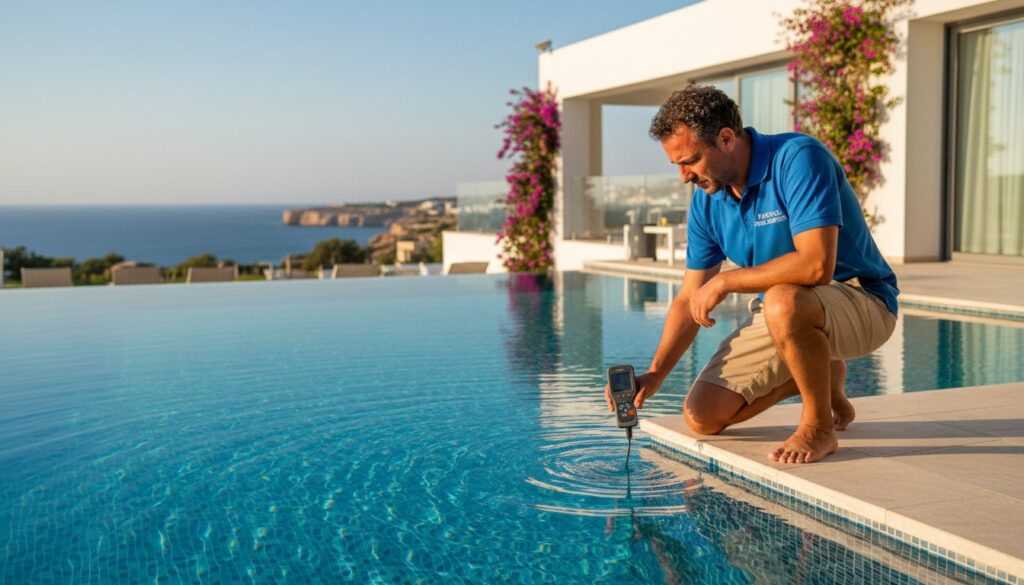
Would you risk a €10,000 fine and your hotel’s reputation on a maintenance routine that no longer meets the law? With the Swimming Pools Law of 2025 (Law 137(I)/2025) now in full effect, hotel pool maintenance cyprus has shifted from a simple cleaning task to a rigorous legal requirement. You likely feel the weight of these new regulations, especially with the personal liability now placed on your designated Swimming Pool Manager. It’s a significant burden to balance while you’re also trying to keep chemical costs down and guest satisfaction high.
We’re here to provide the professional clarity you need to navigate these changes with total peace of mind. This guide explains how to secure your annual operating license before the critical December 31, 2026, deadline for existing Tourism license holders. You’ll discover how to achieve crystal clear water that exceeds EN 15288 standards while using modern technology like variable speed pumps to cut your energy bills to as low as €9 per month. We’ll walk you through the essential steps to ensure your Paphos property remains both compliant and world-class for the 2026 season and beyond.
Key Takeaways
- Master the technical requirements of European Standards EN15288-1 and EN15288-2 to safeguard your guests against water-borne diseases and ensure full operational compliance.
- Analyze the hidden costs of in-house staffing and chemical storage compared to the reliability of professional hotel pool maintenance cyprus.
- Adapt your pool engineering to the specific Paphos climate, using advanced techniques to manage intense UV exposure and high evaporation rates during peak summer months.
- Maximize your facility’s ROI by transitioning to energy-efficient technologies like salt water chlorinators and variable speed pumps that drastically lower monthly overheads.
- Ensure long-term peace of mind by partnering with PHTA/NSPF certified professionals who prioritize safety, health, and the protection of your hotel’s capital investment.
The Unique Challenges of Hotel Pool Management in Paphos
Managing a commercial aquatic facility in Cyprus is a specialized engineering discipline that goes far beyond simple skimming and vacuuming. In a high-traffic hotel environment, your pool is a complex biological ecosystem that requires precise calibration to remain safe and inviting. While residential cleaning protocols might suffice for a private villa, they fail immediately when applied to the demands of a 100-room resort. Professional hotel pool maintenance cyprus requires a deep understanding of water volume, turnover rates, and the chemical impact of hundreds of daily swimmers.
The Paphos climate adds another layer of complexity that few other regions face. During July and August, intense UV levels can deplete free chlorine levels in a matter of hours, leaving the water vulnerable to pathogens. We also manage the recurring challenge of Saharan dust storms, which can overwhelm standard filtration systems overnight. In the Peyia and Paphos regions, the local water supply is notoriously hard. Without professional intervention, this high mineral content leads to rapid calcium scaling on expensive tile work and internal machinery, compromising both the aesthetics and the lifespan of your investment.
High Bather Loads and Water Chemistry
Bather load is the primary driver of chemical instability in hotel pools. Every guest introduces organic matter, oils, and sweat, which creates an immediate and heavy demand on your sanitizer. If your team relies on manual dosing, they’re essentially chasing a moving target they can’t catch. This often leads to “Green Pool” syndrome during the peak of the tourism season, a disaster that results in closed facilities and scathing reviews. Utilizing advanced swimming pool sanitation methods and automated dosing systems is the only way to ensure the water remains crystal clear and safe for every guest, regardless of how many people are in the water.
Environmental Factors in the Paphos District
Environmental stressors in the Paphos district require a proactive, rather than reactive, approach. For coastal properties in areas like Coral Bay, high winds frequently deposit salt spray and organic debris into the water, which can skew pH levels and clog skimmers. We focus on maintaining 24/7 circulation to eliminate stagnant zones where bacteria thrive in the Mediterranean heat. Managing calcium hardness is also a critical priority; we use specialized sequestering agents to prevent the white, crusty deposits that ruin the “elite” feel of a luxury pool. Our goal is to provide the technical expertise that ensures your pool remains a source of relaxation for guests and a source of peace of mind for you.
Regulatory Compliance: Navigating EN15288 Standards in Cyprus
Compliance in the Cypriot hospitality sector has undergone a fundamental shift with the introduction of the Swimming Pools Law of 2025 (Law 137(I)/2025). This legislation officially aligns national requirements with European Standards EN15288, moving away from outdated 1992 regulations. For any establishment providing hotel pool maintenance cyprus, adhering to these standards isn’t optional; it’s a legal safeguard. EN15288-1 governs the safety requirements for pool design and construction, while EN15288-2 focuses strictly on operational management. Together, they form a rigorous framework designed to protect guests and shield hotel managers from the personal liability now mandated by the state.
Under the new law, hotel pools are classified as Type 2 (Business-Related Pools). This classification requires an annual operating license and the maintenance of detailed, daily log-books that record chemical levels, bather loads, and filter backwashing cycles. Failure to produce these documents during a health inspection can result in fines of up to €2,000, while operating without a valid license carries a penalty of up to €10,000. If you’re operating under an existing license from the Deputy Ministry of Tourism, you have until December 31, 2026, to ensure your facility meets these updated safety and registration criteria.
The Role of the Certified Pool Operator (CPO)
Relying on an uncertified “pool boy” is now a significant liability for your business. A qualified pool engineer understands the complex relationship between pH, alkalinity, and calcium hardness, whereas a simple cleaner might only focus on water clarity. Investing in PHTA/NSPF CPO training ensures your staff are equipped with the global gold standard of knowledge. This certification doesn’t just satisfy inspectors; it reduces chemical waste and prevents the premature failure of expensive pumps and heaters. Professional expertise transforms a maintenance routine into a comprehensive risk management strategy.
Disease Awareness and Risk Mitigation
Public health safety is the cornerstone of the WHO safety guidelines for recreational water environments. In high-traffic commercial pools, chlorine alone is often insufficient to combat chlorine-resistant pathogens like Cryptosporidium or Giardia. In water heated to 28 degrees, it takes approximately 10.6 days for standard chlorine levels to kill Cryptosporidium, which makes secondary disinfection systems like UV or Ozone essential for modern resorts. If you’re concerned about your current safety protocols, our team can help you audit your filtration system to ensure it meets the highest European health standards and provides total peace of mind for your guests.
In-House vs. Outsourced Maintenance: A Comparison for Hotel Managers
Deciding how to manage your facility’s aquatic assets involves more than comparing a monthly invoice to a staff salary. For many resorts, the choice between an internal team and a specialized firm determines the long-term health of the pool’s infrastructure. While an in-house handyman might seem cost-effective, they often lack the specialized engineering depth required to meet the latest EN15288 standards. Professional hotel pool maintenance cyprus is a technical discipline that demands constant training, especially as local regulations become more stringent following the Law 137(I)/2025 updates.
Outsourcing to a professional firm provides an immediate layer of protection for your investment. We prioritize equipment longevity by identifying minor issues before they escalate into catastrophic pump or liner failures. Proximity also plays a vital role. In the Paphos region, having a partner with local engineers ensures rapid emergency response times. This prevents a small mechanical glitch from turning into a multi-day closure that impacts guest reviews and revenue. Our goal is to ensure your facility remains operational and elite throughout the peak tourism season.
The True Cost of DIY Hotel Pool Care
The hidden expenses of in-house care often surface when you least expect them. High staff turnover in maintenance departments means you’re constantly paying for retraining or, worse, operating with unskilled personnel who might over-dose chemicals. This lack of precision leads to water imbalance, which damages pool surfaces and irritates guest skin. Operating a hotel pool maintenance cyprus program internally requires a level of oversight that many busy managers simply can’t provide. Beyond these costs, using uncertified staff creates significant liability risks. If a health incident occurs, your insurance provider will likely scrutinize the credentials of the person responsible for the water chemistry.
Benefits of a Professional Maintenance Contract
A professional contract transforms your pool from a source of stress into a managed asset. You receive scheduled visits, transparent reporting, and proactive engineering audits that keep your facility ahead of the curve. These plans often include specialized services like expert pool leak detection in Paphos, which protects your water budget and structural integrity. We also take the burden of hazardous chemical storage off your shoulders. By handling the procurement and safe handling of all sanitizers, we ensure your property remains a safe environment for both staff and guests. This partnership delivers the technical excellence your hotel deserves and the peace of mind you need to focus on your guests.
Modernizing Hotel Pools: Energy Efficiency and Salt Systems
Modernizing your facility’s aquatic infrastructure is no longer just about aesthetics; it’s a strategic move to manage the rising costs of electricity and chemicals in Cyprus. In 2026, the gap between traditional maintenance and high-tech engineering has widened significantly. Implementing essential pool equipment upgrades allows hotel managers to shift from a reactive “fix-it” mindset to a proactive, cost-saving model. This evolution is the most effective way to ensure your hotel pool maintenance cyprus remains both world-class and financially sustainable.
One of the most impactful upgrades for a Mediterranean resort is the installation of high-efficiency heat pumps. While the Paphos sun is reliable, heat pumps allow you to extend your swimming season comfortably into November and March. This creates a competitive advantage for your property during the shoulder seasons. When combined with automated covers, these systems maintain consistent temperatures with minimal energy loss, ensuring your guests enjoy a premium experience year-round without a massive spike in your utility bills.
Salt Water Chlorination for Commercial Use
The transition from liquid chlorine to salt water chlorination is one of the most requested upgrades by Paphos hotel managers today. Guests frequently comment on the “soft water” feel, which is much gentler on the skin and eyes compared to traditional chemical dosing. For the hotel, the benefits are logistical. You’ll significantly reduce the risks associated with transporting and storing large quantities of hazardous chemicals on your grounds. While commercial-grade salt cells require professional calibration and regular cleaning to combat the local hard water, the result is a more stable, inviting environment that guests truly appreciate.
Smart Technology and Energy Saving
Energy consumption is often the largest hidden cost in pool management. Standard pool pumps in Cyprus can add between €100 and €150 to your monthly electricity bill during the peak of summer. By installing frequency inverters or variable speed pumps, you can slash these operational costs by up to 60%. In many cases, a variable speed pump can reduce running costs to as low as €9 per month, compared to €90 or more for a standard single-speed model. This represents a rapid return on investment that directly improves your hotel’s profitability.
Smart technology also extends to water quality management. Modern automated monitoring systems now alert our engineers to chemistry imbalances via smartphone before the water ever loses its clarity. This precision prevents the “Green Pool” scenarios discussed earlier and ensures your facility is always ready for a health inspection. To see how these technologies can be integrated into your property, you can book a technical equipment audit with our team to identify your biggest energy-saving opportunities.
Why The Pool People are the Trusted Partners for Paphos Hotels
Since 2005, we’ve served as the definitive authority for the Cypriot swimming pool industry. Our deep roots in Paphos and Peyia have allowed us to witness the evolution of local tourism and the increasing complexity of hotel pool maintenance cyprus. We aren’t just service providers; we’re the only PHTA/NSPF certified training provider on the island. This means we don’t just maintain pools to international standards; we set the standards for the rest of the industry to follow. When you partner with us, you’re choosing a team that understands the logistical demands of a high-traffic resort and the engineering precision required to keep it running flawlessly.
Our approach is built on a foundation of strict adherence to the latest pool safety regulations in Cyprus. We take the lead in ensuring your facility meets every requirement of the Swimming Pools Law of 2025, from water quality to structural safety. Our comprehensive service menu covers every possible need, including advanced leak detection, liner replacements, and full complex management. This holistic oversight protects your capital investment and ensures your guests always encounter an inviting, crystal clear environment that reflects the quality of your brand.
Our Commitment to Excellence
Our “Peace of Mind” philosophy is at the heart of everything we do. We understand that your pool is a central part of your hotel brand, and any downtime or safety issue can have immediate financial consequences. That’s why we employ qualified engineers who have spent years mastering pool water chemistry in the unique Mediterranean climate. We’ve successfully transformed the operations of numerous Paphos hotels and water parks, helping them achieve consistent water clarity while reducing their chemical expenditure. These success stories are a testament to our disciplined, methodical approach to pool engineering.
Get Started with a Facility Audit
Preparing for the 2026 season requires a proactive strategy rather than a reactive one. We invite hotel managers to book a comprehensive facility audit, where our experts will evaluate your current infrastructure and identify opportunities for energy savings or safety upgrades. If you prefer to keep some maintenance in-house, we also provide the necessary CPO certification training for your existing staff to ensure they meet legal standards. Taking these steps today ensures you’re fully compliant well before the December 31, 2026, deadline for existing license holders. To secure your property’s reputation and operational safety, Contact The Pool People for a Professional Hotel Pool Consultation.
Future-Proofing Your Resort’s Aquatic Standards
The regulatory landscape in Cyprus has shifted permanently, making professional oversight a necessity for every commercial facility. Adhering to the Swimming Pools Law of 2025 ensures your property avoids the €10,000 fines associated with non-compliance while protecting your guests from water-borne pathogens. By integrating modern energy-saving technologies and salt water systems, you’re building a sustainable future for your resort that prioritizes both guest comfort and operational profitability. Hotel pool maintenance cyprus is now a specialized field where technical precision meets high-level hospitality.
As a PHTA/NSPF Certified Training Provider serving Paphos hotels since 2005, we possess the unique expertise required to manage these transitions seamlessly. Our team are specialists in EN15288 compliance, dedicated to providing the technical excellence and long-term value your investment deserves. We invite you to Secure Your Hotel’s Reputation with Professional Pool Management and experience the peace of mind that comes with industry-leading care. Let’s work together to make your pool the highlight of every guest’s stay.
Frequently Asked Questions
Does a hotel pool in Cyprus legally require a certified operator?
Yes, under the Swimming Pools Law of 2025 (Law 137(I)/2025), every hotel pool must have a designated Swimming Pool Manager responsible for safety and compliance. This individual is legally accountable for maintaining the water quality and operational standards required for Type 2 business-related pools. Ensuring your staff holds a valid CPO certification is the most effective way to meet these stringent requirements and avoid the €10,000 fines associated with operating without a license.
How often should a commercial hotel pool be tested in Paphos?
For high-traffic facilities, water chemistry should be tested at least three times daily to comply with EN 15288-2 operational standards. These tests must measure free chlorine, pH levels, and alkalinity to ensure the water remains safe for swimmers. During the peak months of July and August, more frequent testing is recommended because intense UV levels and high bather loads can deplete sanitizer levels in less than two hours.
What is the most cost-effective way to heat a hotel pool in Cyprus?
High-efficiency heat pumps combined with solar pool covers represent the most economical solution for the Mediterranean climate. While the initial investment is higher than traditional heaters, the operational savings are substantial. For example, switching to a solar-powered pump system has a proven payback period of just two to three summers. This combination allows you to extend your guest season into the cooler months without a significant spike in utility costs.
Can salt water systems handle the high bather load of a resort?
Yes, commercial-grade salt water chlorinators are specifically designed to manage the heavy demands of a resort environment. These systems provide a consistent, automated flow of chlorine, which prevents the peaks and valleys often seen with manual dosing. It’s a highly effective method for hotel pool maintenance cyprus because it maintains a stable sanitizer residual even when hundreds of guests use the facility throughout the day.
What are the main causes of pool water loss in Paphos hotels?
Evaporation is the leading cause of water loss, with Paphos pools losing up to 1cm of water daily during the height of summer. However, if you’re losing more than this, it’s likely due to structural leaks or balance tank issues. In the hard water conditions of the Peyia region, calcium buildup can also damage seals and valves, leading to slow, hidden leaks that significantly increase your water bills over time.
How does EN15288 affect my hotel pool insurance?
Insurance providers in Cyprus now view compliance with EN15288 as a prerequisite for liability coverage. If an incident occurs and your facility is found to be in violation of the 2025 safety laws, your insurer may have grounds to void your claim. Maintaining professional documentation and certified staff ensures that you remain fully protected under your policy while providing a safe environment for your guests.
What should be included in a commercial pool daily log book?
Your log book must include daily readings for free chlorine, total chlorine, pH, and water temperature. It should also record bather loads, filter backwashing times, and any chemical additions made throughout the day. These records are critical for health service certifications and must be presented to inspectors to prove that your hotel pool maintenance cyprus program meets the required safety standards.
Why is my hotel pool cloudy even with high chlorine levels?
Cloudy water despite high chlorine often indicates high Total Dissolved Solids (TDS) or excessive calcium hardness, which is common in the Paphos water supply. If your TDS levels exceed 1,500 ppm over the starting water level, the chlorine becomes less effective, regardless of the reading. Professional filtration audits can identify if your sand filters are calcified or if your turnover rate is insufficient for the current bather load.