
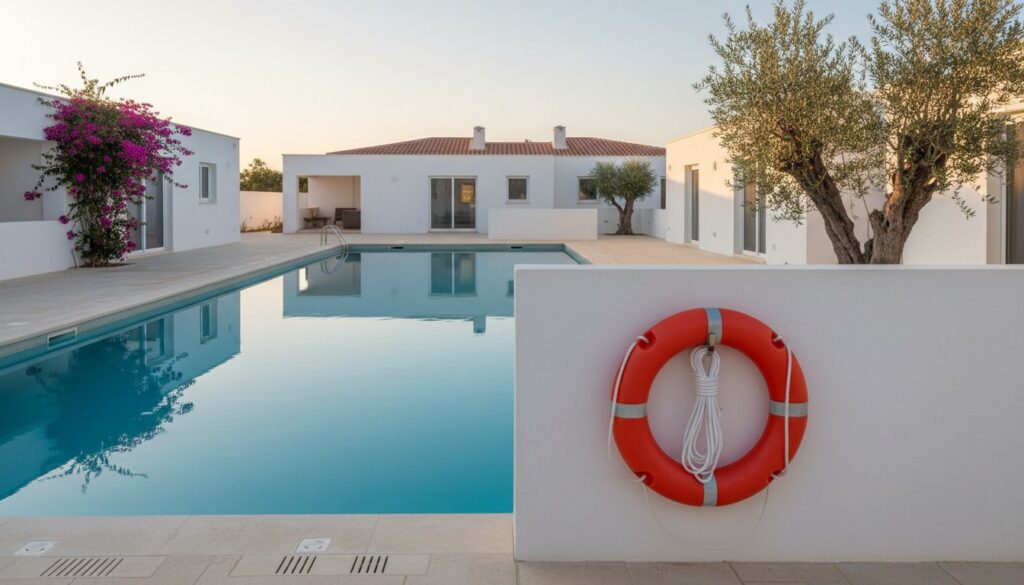
What if your communal pool could be not just a source of joy, but also a beacon of safety? Understanding the communal pool safety regulations in Cyprus is crucial for every pool committee in Paphos. With the 2026 compliance guide, you can navigate the intricate web of regulations with confidence. Many pool owners feel overwhelmed by the three-tier classification system, leading to unnecessary expenses on lifeguard services and anxiety about inspections by the Paphos Municipality. This article will provide you with the legal peace of mind you deserve, helping you reduce operational costs and create a clear roadmap for compliance. Together, we will ensure your communal pool remains safe, legal, and stress-free, allowing you to focus on what truly matters—enjoying the sun-soaked days by the water.
Key Takeaways
- Understand the 2025 legal reforms that have reshaped communal pool classifications, ensuring you stay compliant.
- Learn how to identify your pool’s classification tier and its specific safety requirements.
- Discover when a lifeguard is legally required in Paphos to avoid liability issues.
- Utilize our compliance checklist to keep your communal pool aligned with the latest communal pool safety regulations Cyprus.
- Explore the benefits of professional pool management for peace of mind and superior safety standards.
The 2025 Legal Reform: A New Era for Paphos Communal Pools
In July 2025, a significant legislative shift took place in Paphos that modernized the outdated communal pool rules, marking a new era for communal pool safety regulations in Cyprus. The previous classification of all communal pools as public spaces was flawed, leading to inefficiencies and challenges for local committees in managing these facilities. As a response to growing concerns, a petition signed by over 8,000 residents highlighted the need for reform, driving the establishment of a more nuanced regulatory environment in 2026.
This reform represents a fundamental shift from rigid mandates to a system based on usage-based risk categories. Pools will now be evaluated based on their actual use and the associated risks, which allows for tailored safety measures that better fit the community’s needs.
Why the Law Changed for Cyprus Property Owners
The law change is a direct response to the so-called ‘lifeguard crisis’ that led to the closure of many communal pools in Paphos in recent years. With a shortage of qualified lifeguards, property owners faced increased pressures to comply with safety standards, leading to pool closures that frustrated residents and tourists alike. The new regulations address these issues by pushing for European-aligned health and safety standards across the Mediterranean.
Importantly, the new law strikes a balance between the needs of tourism and the practicalities of residential living. By allowing for more flexibility in pool management, property owners can cater to both local communities and seasonal visitors, ensuring that communal pools remain inviting and safe.
The Role of the Paphos Municipality in Enforcement
The Paphos Municipality plays a crucial role in enforcing these new regulations. During site visits in Peyia and Paphos, inspectors will evaluate several factors, including the condition of the pool, the availability of safety equipment, and the presence of qualified personnel. Property owners must have their ‘Operating Permit’ documentation readily available to validate compliance.
- Key Inspection Focus Areas: cleanliness, safety equipment, and lifeguard presence.
- Potential Penalties: Non-compliance in the 2026 season may lead to fines or additional operational restrictions, emphasizing the importance of adherence to communal pool safety regulations Cyprus.
In summary, the 2025 legal reform has set the stage for a more responsive and effective framework for communal pool management in Paphos, ensuring that safety standards are met while enhancing the overall experience for residents and visitors alike.
Understanding the Three-Tier Classification System
To effectively navigate the communal pool safety regulations in Cyprus, it’s crucial to understand the three-tier classification system for pools. This system categorizes pools based on their size, use, and the number of units they serve, which determines the safety regulations that must be adhered to.
Type 1 and Type 2: High-Risk and Business Pools
Type 1 pools include large water parks and municipal facilities, which are subject to stringent safety requirements. These pools must undergo rigorous inspections and meet high standards for water quality, safety equipment, and emergency response protocols. In Cyprus, these regulations ensure that public facilities maintain a high level of safety for visitors.
Type 2 pools, often found in hotels and larger residential complexes, are classified as ‘Business-Use’ pools. Most Paphos hotels fall under this category due to their size and the volume of guests they accommodate. These pools also face strict mechanical and electrical safety inspection mandates, ensuring compliance with safety protocols designed to protect both guests and staff.
Type 3: Private and Shared Residential Pools
Type 3 pools cater to small clusters of up to five units, such as self-catering villas. The regulations for these pools are less complex, significantly reducing red tape for villa owners in communities like Peyia. However, even for Type 3 pools, certain safety obligations must still be met, including basic water quality tests and maintaining adequate safety measures.
To determine which tier your Paphos residential complex falls under, consider the following:
- Size of the pool
- Number of units served
- Type of usage (private vs. commercial)
The ‘Five Unit Rule’ specifically states that if a pool serves five or fewer residential units, it qualifies as Type 3. This classification can relieve villa owners of some compliance burdens, making pool ownership easier and more efficient.
On the other hand, larger residential complexes often fall into the Type 2 ‘Business-Use’ category due to the potential risks associated with higher occupancy and usage. This classification is vital for ensuring safety measures are robust enough to handle larger crowds.
Understanding the three-tier classification system is essential for compliance with communal pool safety regulations in Cyprus. For detailed guidance and support tailored to your specific needs, consider reaching out to The Pool People.
Lifeguards, Licenses, and Liability: What is Mandatory in 2026?
As Paphos prepares for the implementation of updated communal pool safety regulations in Cyprus by 2026, one critical question arises: when is a lifeguard legally required? The answer hinges on the classification of the pool and its operational hours. Generally, a lifeguard must be on duty when the pool is open for public use, especially in larger facilities categorized as Type 2 pools.
Understanding the concept of ‘operational hours’ is essential for compliance. These hours define when the pool is accessible, thus determining when safety personnel are needed. For example, if your communal facility operates daily from 10 AM to 6 PM, a lifeguard must be present during these times to uphold safety standards and mitigate liability concerns.
The recent changes in legislation, particularly the 2025 law, significantly impact committee liability and insurance premiums. Committees must ensure compliance with new safety measures or face potential legal repercussions and increased insurance costs. Failure to adhere to these regulations can lead to hefty fines and a spike in liability premiums, making it imperative for pool committees to understand their responsibilities.
Health and safety signage is another crucial aspect of the 2026 compliance requirements. Signage must be clear, visible, and informative, displaying rules, emergency procedures, and contact information for emergency services. This enhances safety and reduces liability by ensuring all users are aware of the protocols in place.
Lifeguard Requirements for Type 2 Facilities
For Type 2 facilities, which typically have a larger size and greater depth, the presence of a lifeguard is mandatory. Specifically, a lifeguard must be present if the pool exceeds 200 square meters or has a depth greater than 1.5 meters. However, there are exemptions for smaller Type 2 pools, which may implement alternative safety measures, such as increased surveillance or safety equipment.
It is crucial for pool committees to verify the certifications of lifeguards. Lifeguards must hold valid qualifications recognized by local authorities in Paphos, ensuring they meet the community’s safety standards.
Obtaining and Renewing Your Operating Licence
The process of obtaining or renewing your operating licence involves several steps through the Paphos District Office. You will need to submit essential documentation, including water quality logs, engineering certificates, and safety inspection reports. These documents are critical in demonstrating compliance with communal pool safety regulations in Cyprus.
- Complete the application form available at the Paphos District Office.
- Attach relevant documentation, including proof of lifeguard certification and safety measures in place.
- Submit the application and await approval, which can take several weeks.
Common reasons for permit delays often include incomplete documentation or non-compliance with health standards. By ensuring all paperwork is accurate and up to date, you can avoid unnecessary setbacks and maintain the safety and enjoyment of your communal pool.
Compliance Checklist for Paphos Committees and Complex Managers
Ensuring the safety of communal pools in Paphos is not just a regulatory requirement; it is a fundamental responsibility for committees and complex managers. Adhering to the communal pool safety regulations Cyprus involves a systematic approach to daily operations, equipment management, and overall pool safety. The following compliance checklist outlines essential areas to focus on.
Water Quality and Hygiene Standards
Maintaining water quality is paramount. Regular testing for pH and chlorine levels must be conducted daily to ensure the water remains ‘crystal clear’ and safe for swimmers. The ideal pH range is between 7.2 and 7.8, while chlorine levels should typically be between 1 and 3 parts per million (ppm). Accurate logging of these tests is crucial for compliance and health safety.
Furthermore, mastering pool water chemistry is vital for health compliance. Regular training for staff on proper testing methods and chemical handling can mitigate risks associated with pool hygiene. According to local regulations, professional microbiological testing must be conducted every three months to ensure compliance with health standards.
Equipment and Mechanical Safety
Safety equipment audits must be conducted regularly. This includes checking the availability and condition of life rings, first aid kits, and ensuring emergency contact numbers are posted visibly around the pool area. Additionally, pump rooms must meet stringent ventilation and electrical standards to prevent accidents and ensure operational efficiency.
Another critical safety feature is the installation of anti-entrapment drain covers. These devices are non-negotiable safety features and must be inspected monthly for integrity. Ensuring that all essential pool equipment is functioning efficiently is vital for maintaining a safe swimming environment.
Child Safety Measures
Fencing and gate requirements are critical for protecting children in residential areas. All communal pools must be enclosed by a fence that is at least 1.2 meters high, with self-closing gates that are childproof. This measure significantly reduces the risk of accidental drownings and keeps young children safe while providing peace of mind to parents.
Designated Pool Safety Coordinator
Appointing a designated ‘Pool Safety Coordinator’ is a necessity for every complex. This individual is responsible for overseeing compliance with safety regulations, conducting routine safety checks, and ensuring that all staff are trained in emergency procedures. This role not only enhances safety but also fosters a culture of responsibility and vigilance among pool users.
By adhering meticulously to this compliance checklist, committees and complex managers can ensure a safe and enjoyable environment for all pool users. For expert assistance and support in maintaining your pool to the highest standards, visit The Pool People.
Ensuring Safety and Compliance with Professional Pool Management
Effective pool management is essential for ensuring compliance with communal pool safety regulations in Cyprus. Professional management not only provides peace of mind for committee members but also establishes a robust framework for ongoing maintenance and compliance. By engaging qualified professionals, property owners can focus on enjoying their communal facilities while leaving the intricacies of safety and regulations to the experts.
The Importance of CPO Certification
Certified Pool Operators (CPO) play a vital role in maintaining safe swimming environments. The PHTA/NSPF CPO course encompasses key aspects of Cyprus law, including water quality management, chemical safety, and emergency response procedures. A certified operator significantly reduces the risk of recreational water illnesses, ensuring that all guests can enjoy a safe swimming experience. In essence, CPO certification is the gold standard for Paphos pool safety.
Complex Management Solutions in Peyia and Paphos
The Pool People offer tailored maintenance packages designed specifically for Paphos and Peyia complexes. These packages include comprehensive regulatory documentation, ensuring all communal pools meet the required standards. Regular audits of pool safety regulations in Cyprus are conducted proactively, providing peace of mind to property owners and committee members alike. By contacting The Pool People for a 2026 compliance review, complexes can ensure they are fully prepared for the upcoming regulatory landscape.
- Regular water quality testing and reporting
- Detailed maintenance logs to document compliance
- Training for onsite staff through CPO certification programs
Trust is paramount when it comes to pool management, and Paphos complexes increasingly rely on The Pool People for their compliance auditing needs. Their expertise not only aligns with the latest safety regulations but also fosters a culture of safety and reliability within the community. By investing in professional management, property owners can cultivate an inviting environment that prioritizes health and safety for all residents.
Ensure Compliance and Safety for a Peaceful Future
Staying informed about the communal pool safety regulations cyprus is essential for all property managers and committees in Paphos. The 2025 legal reform has introduced critical changes, including a comprehensive three-tier classification system and mandatory lifeguards for communal pools. By adhering to the compliance checklist and engaging with professional pool management services, you can ensure the safety and enjoyment of your complex’s aquatic facilities.
Don’t leave safety to chance; secure your complex with professional pool management and CPO expertise today. With over 20 years of experience in Paphos and PHTA/NSPF certified instructors, we are uniquely equipped to help you navigate these regulations while enhancing your pool’s safety and compliance. Together, we can create a pristine and inviting environment for your community.
Frequently Asked Questions
Is a lifeguard mandatory for a communal pool in a Paphos apartment complex?
A lifeguard is not mandatory for all communal pools in Paphos. However, if the pool is classified as a Type 3 pool, which typically caters to larger groups or hotel settings, a qualified lifeguard must be present during operational hours. For smaller Type 2 pools, the responsibility for supervision usually falls on the residents or management.
What is the difference between a Type 2 and Type 3 pool in Cyprus?
In Cyprus, a Type 2 pool is generally smaller, serving residential complexes with a limited number of users, usually under 10. A Type 3 pool, on the other hand, is larger and designed for greater capacity, such as hotels or large apartment complexes, accommodating more than 10 users. The safety regulations and compliance requirements differ significantly between these types.
Can our Paphos complex be fined if we don’t have an operating permit?
Yes, your Paphos complex can face fines if it operates without an official permit. The penalties can range from €500 to €1,500 depending on the severity of the violation. Compliance with communal pool safety regulations in Cyprus is crucial to avoid legal repercussions and ensure resident safety.
How often must we test the water in a communal pool under the 2026 rules?
The 2026 regulations stipulate that water testing must occur at least twice a week for communal pools. This includes checking for chemical balance, pH levels, and bacterial contamination. Regular testing ensures the pool remains safe and hygienic for all users.
Do we need a safety fence around our shared residential pool in Peyia?
Yes, a safety fence is mandatory around shared residential pools in Peyia. The fence must be at least 1.2 meters high and designed to prevent unsupervised access, particularly by children. This requirement is part of the communal pool safety regulations in Cyprus to enhance safety.
What documents should we have ready for a Paphos Municipality inspector?
When preparing for a Paphos Municipality inspection, ensure you have the following documents ready: the pool operating permit, water testing records, maintenance logs, and proof of staff training in pool safety. Having these documents on hand can facilitate a smooth inspection process.
How does CPO certification help our complex stay compliant?
CPO certification, or Certified Pool Operator certification, equips your management team with essential knowledge about pool maintenance, safety protocols, and compliance with local regulations. This training helps ensure that your communal pool adheres to all safety standards, thus reducing risks and liability.
What are the first steps for a new committee to ensure pool safety?
The first steps for a new committee include conducting a thorough assessment of the current pool safety measures, reviewing the 2026 compliance guide, and scheduling regular maintenance checks. Additionally, establishing a clear communication plan with residents about safety protocols is vital for fostering a safe swimming environment.